

-
Faculty of Arts and HumanitiesJakobi 2, r 116-121, 51005 Tartu linn, Tartu linn, TartumaaJakobi 2, 51005 Tartu linn, Tartu linn, TartumaaJakobi 2, IV korrus, 51005 Tartu linn, Tartu linn, TartumaaJakobi 2, III korrus, ruumid 302-337, 51005 Tartu linn, Tartu linn, TartumaaÜlikooli 16, 51003 Tartu linn, Tartu linn, TartumaaÜlikooli 18, 50090 Tartu linn, Tartu linn, TartumaaLossi 3, 51003 Tartu linn, Tartu linn, TartumaaPosti 1, 71004 Viljandi linn, ViljandimaaJakobi 2, 51005 Tartu linn, Tartu linn, TartumaaJakobi 2, 51005 Tartu linn, Tartu linn, TartumaaFaculty of Social SciencesLossi 36, 51003 Tartu linn, Tartu linn, TartumaaJakobi 5, 51005 Tartu linn, Tartu linn, TartumaaLossi 36, ruum 301, 51003 Tartu linn, Tartu linn, TartumaaNarva mnt 18, 51009 Tartu linn, Tartu linn, TartumaaNäituse 2, 50409 Tartu linn, Tartu linn, TartumaaNäituse 20 - 118, 50409 Tartu linn, Tartu linn, TartumaaLossi 36, 51003 Tartu linn, Tartu linn, TartumaaRaekoja plats 2, 20307 Narva linn, Ida-VirumaaLossi 36, 51003 Tartu linn, Tartu linn, TartumaaLossi 36, 51003 Tartu linn, Tartu linn, TartumaaFaculty of MedicineRavila 19, 50411 Tartu linn, Tartu linn, TartumaaBiomeedikum, Ravila 19, 50411 Tartu linn, Tartu linn, TartumaaNooruse 1, 50411 Tartu linn, Tartu linn, TartumaaL. Puusepa 1a, 50406 Tartu linn, Tartu linn, TartumaaL. Puusepa 8, 50406 Tartu linn, Tartu linn, TartumaaRavila 19, 50411 Tartu linn, Tartu linn, TartumaaUjula 4, 51008 Tartu linn, Tartu linn, TartumaaRavila, 50411 Tartu linn, Tartu linn, TartumaaRavila 19, 50411 Tartu linn, Tartu linn, TartumaaFaculty of Science and TechnologyVanemuise 46 - 208, 51003 Tartu linn, Tartu linn, TartumaaNarva mnt 18, 51009 Tartu linn, Tartu linn, TartumaaRavila 14a, 50411 Tartu linn, Tartu linn, TartumaaNarva mnt 18, 51009 Tartu linn, Tartu linn, TartumaaRiia 23, 23b - 134, 51010 Tartu linn, Tartu linn, TartumaaNooruse 1, 50411 Tartu linn, Tartu linn, TartumaaJ. Liivi tn 2, 50409 Tartu linn, Tartu linn, TartumaaRiia 23b/2, 51010 Tartu linn, Tartu linn, TartumaaVanemuise 46, 51003 Tartu linn, Tartu linn, TartumaaVanemuise 46, 51003 Tartu linn, Tartu linn, TartumaaArea of RectorArea of Vice Rector for Academic AffairsUppsala 10, 51003 Tartu linn, Tartu linn, TartumaaÜlikooli 18b, 51005 Tartu linn, Tartu linn, TartumaaÜlikooli 18a (III korrus), 51005 Tartu linn, Tartu linn, TartumaaArea of Vice Rector for ResearchW. Struve 1, 50091 Tartu linn, Tartu linn, TartumaaArea of Director of AdministrationÜlikooli 18, ruumid 102, 104, 209, 210, 50090 Tartu linn, Tartu linn, TartumaaÜlikooli 18A (III korrus), 51005 Tartu linn, Tartu linn, TartumaaArea of Head of FinanceÜlikooli 17, 51005 Tartu linn, Tartu linn, TartumaaArea of Vice Rector for DevelopmentLossi 25, 51003 Tartu linn, Tartu linn, TartumaaVanemuise 46, 51003 Tartu linn, Tartu linn, TartumaaNarva mnt 18, 51009 Tartu linn, Tartu linn, TartumaaArea of Academic SecretaryUppsala 6, Lossi 36, 51003 Tartu linn, Tartu linn, Tartumaa
Skytte news

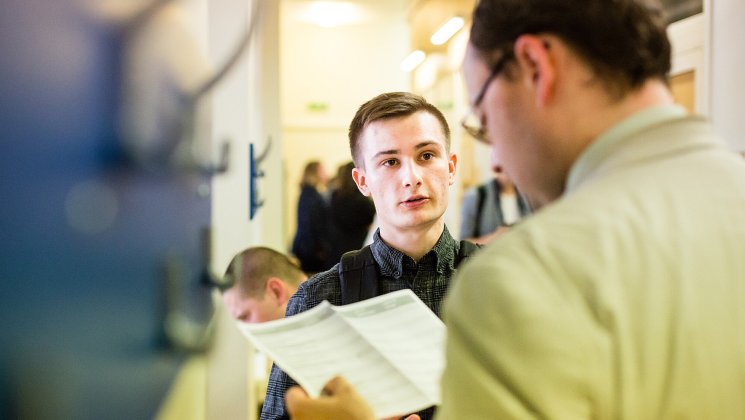
Come and listen to doctoral researchers present their research
Registration is now open for the University of Tartu’s three-minute thesis competition for doctoral researchers, which will take place on 21 October at the University of Tartu Library. The deadline for registration is 12 October.
20 October 2026
research
Skytte Institute Engages Estonian Students in Interactive Civic Education Workshops
As part of the Erasmus+ project Strengthening Civic Competences and EU Democratic Life (EuroConnect), a series of civic education workshops
09 October 2026
students
Asia Centre marks its tenth anniversary with a symposium
On 14 October, the University of Tartu Asia Centre will celebrate ten years of activity with a symposium.
06 October 2026
university
The Skytte Institute welcomed Jo Lomas, the new British Ambassador to Estonia
The Skytte Institute welcomed Jo Lomas, the new British Ambassador to Estonia
01 October 2026
international
Final Event Showcases Wargaming Tool for Strengthening Resilience Against Hybrid Threats
On 23 September 2026, the final event of the Estonian-British research project Prioritising Hybrid Threats: Wargaming Disinformation for Strategic Resilience was held at the University of Tartu Library. The event brought together Estonian and international stakeholders and experts from academia, governance, and the security sector.
Represent Estonia at ConSIMium 2027 in Brussels
The University of Tartu is looking for two students to represent the university and Estonia at ConSIMium 2027, a simulation of the EU decision-making process.
24 September 2026
for society
Stanford students explore how Russia’s war against Ukraine is reshaping Estonia
On 12 September, the Skytte Institute welcomed a group of students and staff from Stanford University as part of their study trip to the Baltic states. The visit focused on Russia’s full-scale invasion of Ukraine and its wider implications for Estonia.
Skytte Institute and Ukraine Centre help strengthen the research capacity of Ukrainian university
The Johan Skytte Institute of Political Studies and the Ukraine Centre of the University of Tartu are participating in the international project RESTART, which aims to enhance the research and innovation capacity of Sumy State University in Ukraine and support its integration into the international research community.
Skytte Institute supports institutional capacity-building at Western Balkan universities
Skytte Institute contributes to institutional capacity-building at universities in the Western Balkans through its participation in an Erasmus+ capacity-building project in higher education entitled "Triggering Resilience in Up-and-coming Security Threats" (TRUST).
Joint Viewing of Ursula von der Leyen’s Annual Address and Expert Discussion at the Library on 16 September
The annual address will provide the vision, priorities and key initiatives for the year ahead.
09 September 2026
for society
University of Tartu students can train at the university sports hall at a discounted rate
University of Tartu students can stay active and exercise at the university sports hall at a reduced price. A semester pass costing just €50 provides a wide range of opportunities for physical activity throughout the semester.
07 September 2026
Active UT
Registration open for the new MOOC “Digital Governance, Security, and Democracy”
Digital transformation is not only a technological shift. It is reshaping governance, security, democracy, and sovereignty. The Johan Skytte Institute of Political Studies at the University of Tartu invites learners worldwide to join Digital Governance, Security, and Democracy — a free, five-week online course (MOOC) taught in English.
04 September 2026
continuing education
Jüri Luik joins the Johan Skytte Institute of Political Studies as Visiting Professor
In August 2026, experienced ambassador and foreign and security policy expert Jüri Luik joined the Johan Skytte Institute of Political Studies as Visiting Professor of International Relations and Diplomacy for the coming year.
04 September 2026
cooperation
Recording: at the opening ceremony, the importance of supporting students' financial security was highlighted
On Monday, 31 August at 10:00, the 2026/2027 academic year was opened in front of the university's main building. The programme of the ceremony included a musical performance by Puuluup.
Estonian Science Communication Awards are open for nominations
Nominations for the Estonian Science Communication Awards can be submitted to the Estonian Research Council (ETAG) until 15 September. The competition aims to recognise outstanding and active science communicators as well as innovative initiatives that promote science to wider audiences.
Applications are invited for the mentoring programme
From 1 to 23 September, University of Tartu students and alumni, including staff members, can apply for the mentoring programme, which is held for the tenth time this year. Applications can be submitted on the university website.
University community receives a 30% discount on Tartu Maraton events
Staff and students of the University of Tartu can take part in Tartu Maraton events with a 30% discount. This gives university members an affordable opportunity to represent the University of Tartu at sporting events together with colleagues and fellow students.
28 August 2026
Active UT
